
The Power of Cultural Immersion in Language Learning
Learning a new language is much more than memorizing vocabulary lists and conjugating verbs. To truly master Spanish and communicate effectively, you need to understand the soul of the language – its culture. At Toros Espanoles, we believe that immersing yourself in Spanish culture through its food, music, festivals, and history offers an unparalleled pathway to fluency. It provides context, enriches understanding, and makes the learning process incredibly engaging and rewarding.
Why Culture Matters for Spanish Learners
Culture is the bedrock upon which a language is built. Without cultural context, many phrases, idioms, and social nuances can be confusing or misinterpreted. For English-speaking learners, understanding Spanish culture helps bridge the gap between literal translation and true meaning. It explains why people say what they say, and how they interact, giving you a deeper appreciation and command of the language. When you learn about the history behind a particular tradition or the social significance of a dish, the associated Spanish vocabulary becomes much more memorable and meaningful.
Bridging Language and Context
Cultural immersion transforms passive learning into an active, living experience. Instead of just reading Spanish texts, you're experiencing the stories, emotions, and daily lives of Spanish speakers. This holistic approach significantly boosts comprehension and retention. It prepares you not only for exams like DELE or SIELE but also for real-life conversations, travel, or even living in Spain. It makes the process of how to read Spanish texts more dynamic, as you're not just decoding words but understanding entire cultural narratives. By connecting with the culture, you begin to think in Spanish, rather than simply translating from English.
Food: A Culinary Journey to Fluency
Spanish cuisine is a vibrant tapestry of flavors, traditions, and social rituals. Learning Spanish through food is one of the most delicious and accessible ways to immerse yourself in the culture. From the bustling tapas bars of Seville to the paella pans of Valencia, food is at the heart of Spanish life and offers endless opportunities to expand your Spanish vocabulary.
Essential Food Vocabulary and Phrases
Start with the basics. Knowing the names of common ingredients, dishes, and dining phrases is incredibly useful. When you go to a Spanish restaurant or a market, you'll be able to understand the menu, order confidently, and even engage in small talk about food. For example, understanding the difference between jamón serrano and jamón ibérico isn't just about food; it's about appreciating regional specialties and culinary pride.
Here are some essential phrases:
- ¿Qué me recomienda? (What do you recommend?)
- Quiero pedir... (I want to order...)
- Soy vegetariano/a. (I am vegetarian.)
- ¿La cuenta, por favor? (The bill, please?)
- ¡Está delicioso! (It's delicious!)
Challenge yourself to read Spanish texts like recipes or food blogs. Even simple ones can introduce new verbs and adjectives related to cooking and taste.
Learning through Recipes and Menus
Recipes are fantastic resources for practical Spanish reading practice. They often use imperative verbs and specific terminology that you might not encounter in general conversation. Menus, on the other hand, offer insights into typical meal structures and regional specialties. By studying a menu, you're not just learning dish names but also understanding cultural eating habits, such as the timing of meals and common ingredient pairings.
| Spanish Dish | Description / Key Ingredients | Cultural Significance |
|---|---|---|
| Paella | Rice dish with saffron, often with seafood (marisco), chicken (pollo), or rabbit (conejo) and vegetables (verduras). | Originates from Valencia, often a communal meal for special occasions. |
| Tortilla Española | Thick omelet made with eggs (huevos), potatoes (patatas), and sometimes onion (cebolla). | A national dish, served hot or cold, in tapas bars and homes across Spain. |
| Gazpacho | Cold soup made from ripe tomatoes (tomates), cucumbers (pepinos), peppers (pimientos), olive oil (aceite de oliva), and bread (pan). | Refreshing summer dish from Andalusia, reflecting the region's hot climate. |
| Churros con Chocolate | Fried-dough pastry (masa frita) served with thick, hot chocolate for dipping. | Popular breakfast or late-night snack, especially after a night out. |
Exploring these dishes helps you to build Spanish vocabulary related to food preparation, taste, and dining etiquette. It also provides a natural entry point for conversations about personal preferences and culinary traditions.
Music: The Rhythm of Spanish Language Acquisition
Music is a universal language, but Spanish music, with its diverse genres and passionate lyrics, is an incredibly powerful tool for learning. It helps with pronunciation, rhythm, and intonation, and exposes you to authentic colloquialisms and expressions. Plus, it's a fun and relaxing way to immerse yourself.
Genres and Artists to Explore
Spain boasts a rich musical heritage, from the soulful cries of Flamenco to the modern beats of Latin pop. Exploring different genres can help you find what resonates with you, making the learning process more enjoyable.
- Flamenco: Deeply rooted in Andalusian culture, with passionate singing (cante), guitar playing (toque), and dance (baile). Artists like Camarón de la Isla or Paco de Lucía are legendary.
- Pop/Rock: Modern Spanish pop and rock artists like Alejandro Sanz, Shakira (Colombian, but globally popular in Spanish), and Maná offer contemporary lyrics and catchy tunes.
- Salsa/Bachata: While originating from Latin America, these genres are widely popular in Spain and offer energetic rhythms and romantic lyrics.
- Reggaeton: A more recent global phenomenon, often with simpler lyrics and repetitive beats, which can be great for beginners.
Listening to songs from different regions can also expose you to various accents and dialects, preparing you for the diversity of the Spanish-speaking world.
Active Listening Strategies
Don't just listen passively. Engage with the music to maximize your learning:
- Listen for the Gist: On your first listen, try to understand the main theme or emotion of the song.
- Identify Key Words: Pick out words you already know or those that are repeated frequently.
- Look Up Lyrics: Find the Spanish lyrics online (search for "[song title] letra") and use a dictionary for unfamiliar words.
- Sing Along: Practice pronunciation and rhythm by singing along. Don't worry about perfection, just try to mimic the sounds.
- Analyze Grammar: Once you're comfortable with the vocabulary, look for grammatical structures you're currently studying.
Many artists have clear pronunciation, making their songs excellent resources to read Spanish texts in the form of song lyrics. This can be a fun way to expand your Spanish vocabulary and improve listening comprehension simultaneously.
Festivals: Celebrating Language and Tradition
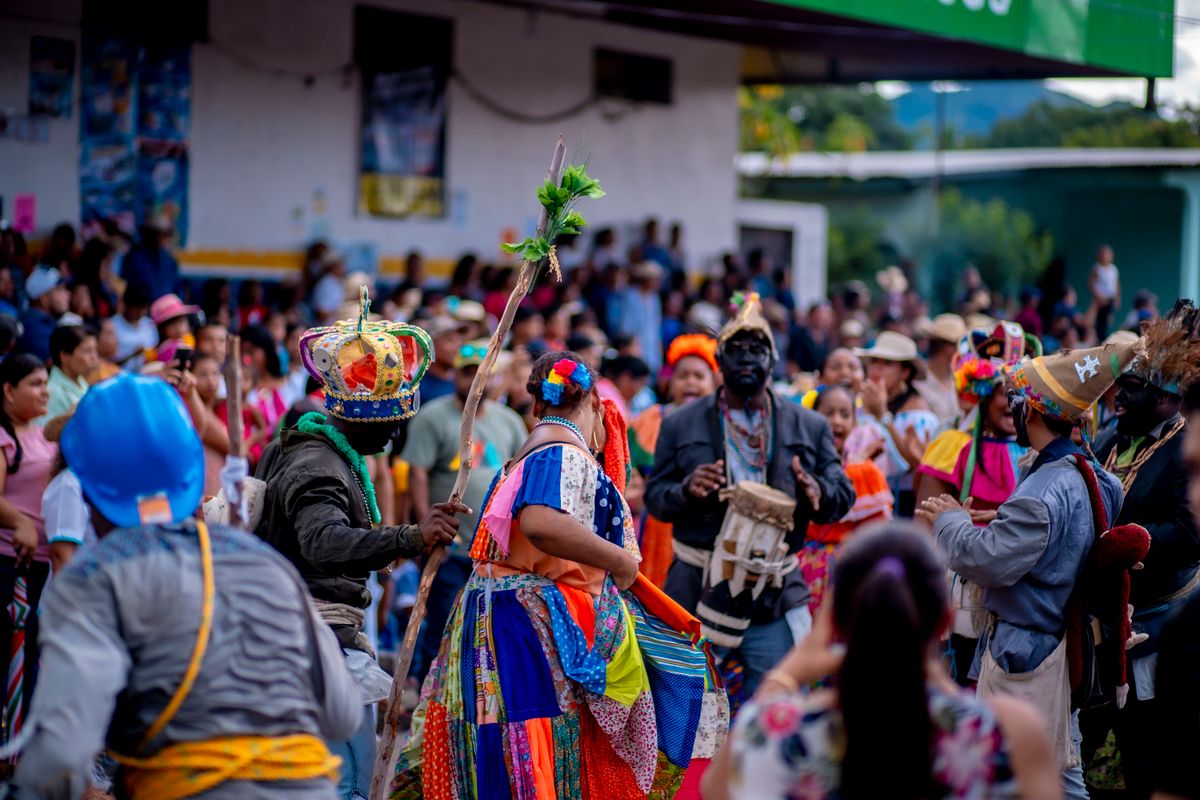
Spanish festivals are a whirlwind of color, sound, and tradition, offering a unique window into the heart of the culture. Participating in or even just learning about these celebrations can significantly enhance your understanding of Spanish customs and provide a rich context for language use.
Key Spanish Festivals and Their Significance
Each festival has its own history, traditions, and specific vocabulary. Understanding these elements helps you appreciate the richness of Spanish cultural identity.
- La Tomatina (Buñol): An annual food fight where participants throw tomatoes. It's about communal fun and letting loose.
- Las Fallas (Valencia): Massive, elaborate sculptures (fallas) are built and then spectacularly burned. Celebrates tradition, art, and satire, marking the arrival of spring.
- Semana Santa (Holy Week): Solemn religious processions take place across Spain, especially famous in Seville and Málaga. A deeply spiritual and visually stunning event.
- Feria de Abril (Seville): A week-long celebration of flamenco, horses, and traditional attire (traje de flamenca). A vibrant, joyful fair that follows Semana Santa.
Vocabulary for Festivities
Each festival brings with it a specific set of vocabulary. For La Tomatina, you'd learn words like tomate (tomato), lanzar (to throw), and fiesta (party). For Semana Santa, terms like procesión (procession), nazareno (penitent), and paso (religious float) are key. By focusing on the vocabulary associated with these events, you gain practical terms directly related to cultural experiences.
Learning about these festivals also provides excellent material for reading Spanish texts. Many news articles, blogs, and historical accounts are written about these events, offering a great way to practice reading comprehension with authentic content.
History: Understanding Spain's Rich Past
Spain's history is incredibly rich and complex, shaped by a confluence of cultures including Roman, Visigothic, and Moorish influences, as well as its powerful role in global exploration. Understanding this history is crucial for comprehending the nuances of the Spanish language and its diverse regional variations.
Major Historical Periods and Their Impact on Language
The evolution of Spanish, or Castilian, is directly tied to historical events:
- Roman Hispania (218 BC - 5th Century AD): Latin, the language of the Romans, became the foundation of Spanish.
- Visigothic Kingdom (5th - 8th Century AD): Germanic influences were minimal on the language but shaped early kingdoms.
- Al-Andalus (8th - 15th Century AD): The Moorish presence introduced thousands of Arabic words into Spanish, especially in areas like science, agriculture, and architecture (e.g., azúcar, almohada, naranja).
- Reconquista (8th - 15th Century AD): The Christian reconquest solidified Castilian as the dominant language, spreading it south.
- Spanish Golden Age (16th - 17th Century): A period of immense artistic and literary flourishing, with figures like Cervantes shaping modern Spanish. This is an excellent period to read Spanish texts from classic literature.
- Colonial Expansion (15th - 19th Century): Spanish spread across the Americas, leading to the vast linguistic diversity we see today.
By studying these periods, you'll not only learn about historical events but also understand the etymology of many Spanish words, making your Spanish vocabulary acquisition more logical and interesting.
Historical Figures and Places
Learning about key figures like Isabella I and Ferdinand II (the Catholic Monarchs), Christopher Columbus (Cristóbal Colón), or Francisco Goya, and iconic places like the Alhambra in Granada or the Sagrada Familia in Barcelona, provides anchors for your cultural and linguistic knowledge. These figures and sites are frequently mentioned in Spanish literature, news, and everyday conversation, making their historical context invaluable for comprehension.
You can find numerous graded Spanish articles and historical accounts on these topics, tailored to various proficiency levels, to enhance your reading skills while learning about Spain's past.
Practical Steps to Incorporate Culture into Your Learning
Integrating culture into your Spanish studies doesn't have to be complicated. Here are some actionable steps:
Beyond the Classroom
- Watch Spanish Movies and TV Shows: Start with subtitles in English, then Spanish, and eventually try without. This is fantastic for listening comprehension and picking up natural speech patterns.
- Listen to Spanish Podcasts and Radio: Find podcasts on topics you enjoy, from news to storytelling. This improves your ability to follow spoken Spanish in real-time.
- Follow Spanish Social Media: Engage with Spanish influencers, news outlets, or cultural organizations on platforms like Instagram or Twitter. This exposes you to current events and informal language.
- Attend Cultural Events: Look for Spanish film festivals, concerts, or culinary events in your local area.
- Travel (if possible): The ultimate immersion is to visit Spain. Even a short trip can dramatically boost your confidence and fluency.
Resources for Cultural Exploration
Toros Espanoles offers a wealth of resources to help you along this cultural journey. Our Spanish reading practice section includes articles on various cultural topics, allowing you to read Spanish texts about festivals or food at your appropriate level. We also provide extensive Spanish vocabulary lists tailored to cultural themes.
Remember, the goal is not just to learn facts about culture, but to use culture as a vehicle for language acquisition. The more you connect with the Spanish-speaking world through its traditions, arts, and history, the more natural and intuitive your Spanish learning will become.
Summary
Learning Spanish through culture – its food, music, festivals, and history – is a highly effective and enjoyable strategy for English-speaking learners. This approach provides crucial context, enhances vocabulary retention, improves listening and reading comprehension, and fosters a deeper appreciation for the language. By actively engaging with cultural elements, from cooking Spanish recipes to analyzing song lyrics or exploring historical narratives, learners can transform their Spanish studies into a vibrant and immersive experience, paving the way for true fluency and a profound connection to the Spanish-speaking world.
Frequently Asked Questions
Can I really learn Spanish just by focusing on culture?
While cultural immersion is incredibly powerful, it's most effective when combined with structured language learning (grammar, formal vocabulary). Culture provides the context and motivation, but a solid foundation in grammar and syntax is essential for building coherent sentences and understanding complex ideas. Think of culture as the fuel and the map, while grammar is the engine of your language journey.
What's the best way to find authentic Spanish cultural content?
Start with online resources: YouTube channels dedicated to Spanish cuisine or travel, Spotify playlists of Spanish artists, official tourism websites for festival dates, and reputable historical documentaries or articles. For graded Spanish articles and texts, check our Toros Espanoles reading section. Look for content created by native speakers for native speakers, and then adapt it to your learning level.
How can cultural learning help me read Spanish texts better?
Cultural learning enriches your background knowledge, making it easier to understand references, idioms, and nuances in written Spanish. When you read about a festival you've studied, or a historical event you're familiar with, the text becomes less about decoding individual words and more about understanding a narrative you already have context for. This builds confidence and improves overall comprehension, especially when encountering B2 Spanish texts or C1 articles that assume a certain level of cultural literacy.
Start your cultural immersion today and watch your Spanish fluency soar! Explore our Spanish reading by level to find articles that connect language and culture.
Related Spanish Learning Guides
- Why Learning Spanish is Essential: Unlocking Global Opportunities and Cultural Riches
- Your Ultimate Guide to Starting Spanish from Scratch: A Step-by-Step Roadmap
- Unlocking Your Potential: A Comprehensive Guide to Spanish Language Levels (CEFR)
- A1 Spanish texts for beginners
- B2 Spanish texts for advanced learners